
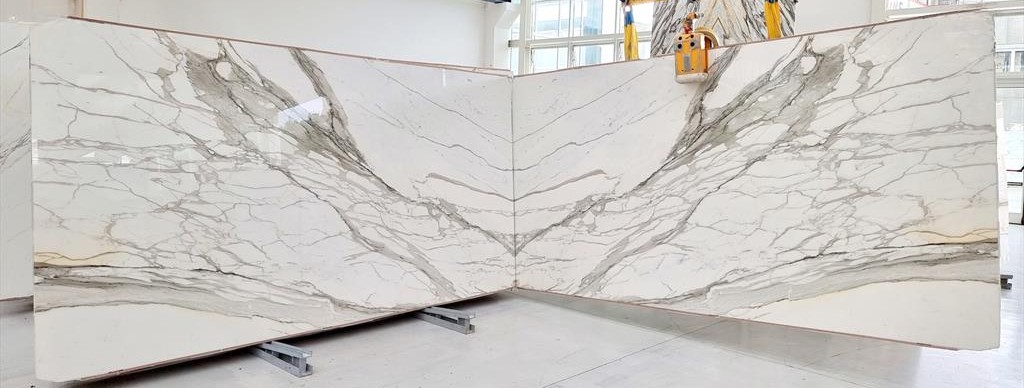
Creating a perfect bookmatch in natural stone — such as marble, quartzite, or granite — is a refined art that blends aesthetics, craftsmanship, and technical expertise. Whether you’re designing a luxury apartment in New York, a villa in Dubai, or a modern space in Scandinavia, a well-executed bookmatch can instantly elevate your design.
In this guide, we’ll explain how to master the bookmatching process, offering practical advice for architects, interior designers, contractors, and natural stone suppliers.
📩 Need assistance or looking for a supplier? Contact us at info@acemar.it
What Is Bookmatching?
Bookmatching refers to the technique of placing two or more adjacent stone slabs so that their veining and patterns mirror each other — much like the pages of an open book. As a result, the final effect is both symmetrical and visually impactful. In most cases, this approach is used with materials like marble, granite, or quartzite to turn natural stone into a work of art.
Moreover, the mirrored pattern brings harmony and balance, especially in spaces where the stone becomes a focal point. Not surprisingly, bookmatching is considered a hallmark of high-end interior design.
Where Bookmatching Creates the Biggest Impact
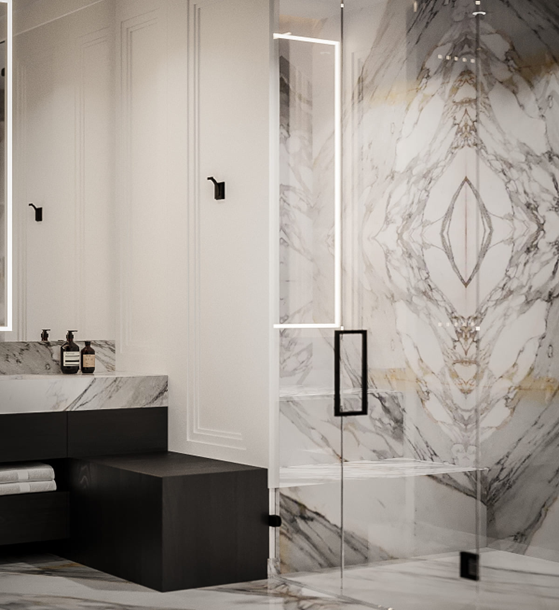
Bookmatched surfaces offer bold, luxurious aesthetics. Therefore, they are frequently used in spaces that demand visual statement and elegance, including:
- Feature walls in living rooms, bathrooms, or hotel lobbies
- Shower backdrops and spa-inspired spaces
- Kitchen backsplashes or waterfall islands
- Fireplace surrounds
- Floor designs in large open areas
- Reception desks or conference tables
In particular, bookmatching is gaining popularity in luxury properties across the USA, UAE, Australia, and Africa, where design innovation is highly valued. Consequently, it is becoming a preferred feature for architects and developers.
Step-by-Step: How to Create a Perfect Bookmatch
1. Select the Right Material
First and foremost, material selection is the cornerstone of successful bookmatching. To achieve a seamless result, the slabs must come from the same block and display veining that flows consistently.
Specifically, look for:
- Strong directional veining
- Sequential slabs cut one after another
- High-impact stones like Calacatta marble, Taj Mahal quartzite, or Black Cosmic granite
Additionally, it’s essential that your stone supplier confirms the slabs are bookmatch-compatible. Otherwise, even a perfect layout will fall short.
2. Inspect and Plan the Layout

Before any cutting begins, inspect the slabs in different lighting conditions to fully appreciate their texture and movement. Then, use either 3D design tools or a physical dry-lay method to plan the composition.
At this stage, collaboration is key. Architects, designers, and fabricators should work together to:
- Choose vertical or horizontal orientation
- Define the visual center of the composition
- Decide between an open bookmatch (mirror effect) or closed vein match
By doing so, you reduce the risk of costly errors later in the project. Furthermore, this early alignment improves communication across teams.
3. Cut and Polish with Precision
Once the layout is confirmed, precision cutting is the next step. CNC or waterjet technology should be used to maintain clean, exact lines — especially on large walls or countertops.
Here’s what to keep in mind:
- Leave minimal joints (ideally under 1mm)
- Match the surface finish across all slabs
- Handle all edges with extreme care to avoid damage
Moreover, CNC equipment allows for perfect miters and corner wraps, ensuring the bookmatch effect continues seamlessly around surfaces. This level of precision makes all the difference in the final result.
4. Dry Lay and Visual Testing
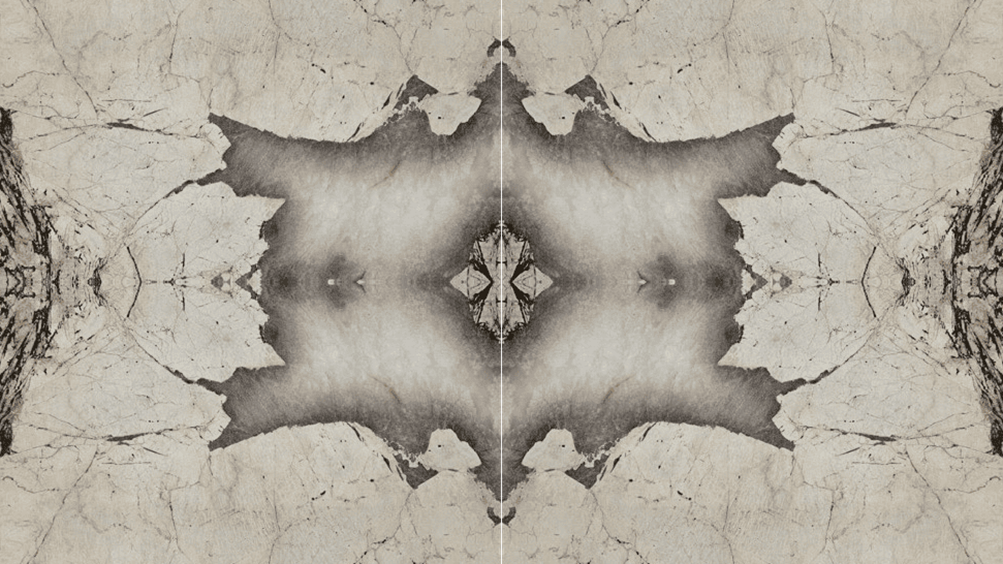
Before installation begins, conduct a dry lay — either digitally or physically. This step is crucial because it offers a final chance to adjust alignments or orientations.
During this phase:
- Architects review and approve the layout
- Installers determine optimal seam placement
- Reinforcement decisions are made, especially for delicate stones
In addition, the dry lay acts as a visual checkpoint, ensuring that the desired symmetry is fully achieved.
5. Professional Installation
Finally, the installation should only be carried out by skilled professionals. Because of the complexity involved, bookmatching is not suitable for DIY applications.
During installation, ensure that:
- Veins align perfectly from one slab to the next
- Seam lines are nearly invisible
- Adhesion is solid and surfaces are level
- Final polishing blends all transitions smoothly
Otherwise, even small imperfections can compromise the visual harmony of the entire surface.
Common Mistakes to Avoid
Even with the right stone, poor planning can ruin the result. Therefore, avoid the following pitfalls:
❌ Using slabs from different blocks
❌ Overlooking vein direction during layout
❌ Skipping the dry-lay phase
❌ Choosing stones with erratic or faint veining
To prevent these errors, it’s vital to work with experienced fabricators and trusted suppliers — such as Acemar. That way, you protect both aesthetics and budget.
Why Bookmatching Adds Property Value
Bookmatching doesn’t just enhance aesthetics — it also increases property value. In the luxury market, visual uniqueness and craftsmanship often justify higher prices.
Specifically, bookmatching:
- Elevates design prestige
- Signals custom, high-end finishes
- Creates Instagram-worthy features
- Boosts perceived value in listings
For these reasons, developers in Dubai, New York, Melbourne, and Lagos regularly request bookmatched slabs for premium interiors. As demand grows, bookmatching is becoming a key asset in luxury real estate.
Best Stones for Bookmatching
Choosing the right material is just as important as execution. Here are some top choices, grouped by color tone:
White: Calacatta Gold, Arabescato, Calacatta Borghini, Bettogli, Statuario
Black: Nero Marquina, Black Cosmic, Titanium, Sahara Noir
Beige: Taj Mahal, Patagonia
Green: Verde Alpi, Amazonite, Rain Forest Green
Blue: Sodalite, Azul Bahia, Blue Roma Deep
Depending on the visual mood you want, any of these stones can serve as a bold centerpiece or a refined design accent. Above all, consistency in veining is what makes them ideal for bookmatching.
Why Partner with Acemar?
At Acemar, we don’t just supply stone — we guide you through the entire bookmatching journey. From initial selection to final polishing, we work with you every step of the way.
Here’s what we offer:
- Direct access to top-tier Italian quarries
- Global shipping and logistics coordination
- Expert consultations for designers and builders
- Custom slab preparation and CNC processing
Whether you’re designing a residence in Stockholm or furnishing a hotel in Abu Dhabi, our team delivers quality and precision every time. As a result, your projects stand out and impress.
📩 Reach out today for samples or pricing: info@acemar.it
Final Thoughts
A flawless bookmatch is more than a trend — it’s a timeless expression of design mastery. When done correctly, it transforms raw stone into an architectural statement.
✅ Choose premium materials
✅ Collaborate with experts
✅ Focus on precision and detail
📧 Start your bookmatch project with us — contact info@acemar.it


